Field notes
Guides, comparisons, and playbooks on getting the most out of proxies, written by the people who run them.

NyxonProxies vs Oxylabs: proxy prices, KYC and payment compared (2026)
Oxylabs sells monthly subscriptions from $30 and asks every customer to complete a KYC questionnaire; it does not take crypto. NyxonProxies sells traffic by the gigabyte from a $1 crypto top-up, with no KYC. Prices for residential, mobile, datacenter and ISP proxies side by side, checked October 2026.

NyxonProxies vs IPRoyal: residential, mobile, ISP and datacenter prices compared (2026)
IPRoyal and NyxonProxies both sell residential traffic that never expires and both take crypto. The differences are price per GB, session length, targeting, refunds and identity checks. A product-by-product comparison using list prices checked in October 2026.

NyxonProxies vs Bright Data: list prices, coupon prices and KYC compared (2026)
Bright Data's residential proxies cost $8/GB pay as you go, or $4 with its current coupon, and need a compliance check that can include a video call. NyxonProxies charges $1.10/GB, or $0.35 on Residential Budget, from a $1 crypto top-up with no KYC. Every product compared.

NyxonProxies vs Decodo (formerly Smartproxy): prices, trials and restrictions (2026)
Decodo, the provider formerly called Smartproxy, sells mostly monthly plans, with a trial that renews into a subscription and a default list of restricted websites. NyxonProxies sells by the gigabyte with no plans. Residential, mobile, datacenter and ISP prices compared.

NyxonProxies vs Webshare: rotating residential, static IPs and free proxies compared (2026)
Webshare is the cheaper choice for datacenter proxy lists and static IPs, and its free plan really is free. For rotating residential traffic, NyxonProxies costs less at every plan size. Prices, payment, refunds and free tiers side by side.

NyxonProxies vs SOAX: geo tiers, expiring credits and real costs compared (2026)
SOAX charges by plan and by the exit country's tier, through credits that expire after 60 days. NyxonProxies charges one flat rate per product in every country. Worked examples for the US and other markets, plus mobile prices, targeting, rotation and payment.

NyxonProxies vs DataImpulse: residential, mobile and datacenter prices compared (2026)
DataImpulse and NyxonProxies both sell pay-as-you-go traffic that never expires. DataImpulse's $1/GB residential rate beats the NyxonProxies premium pool by ten cents; Residential Budget, mobile and datacenter go the other way. The full comparison.

NyxonProxies vs Evomi: residential plans, mobile and static IP prices compared (2026)
Evomi's Core Residential costs $0.49/GB on a 100 GB monthly plan; NyxonProxies Residential Budget costs $0.35/GB with no plan, and its mobile proxies cost a fraction of Evomi's. Where each one is cheaper, by volume, targeting and product.
Selenium proxy authentication in Chrome: username and password with Python (tested)
Chrome refuses credentials in --proxy-server, the old extension trick and Selenium Wire no longer work, and the new BiDi auth handler has one catch on the first page. Working Python code for Selenium 4, sticky sessions, SOCKS5 and every error, tested on Chrome 155.

Node.js proxy guide: fetch, undici, axios and SOCKS5 with authentication
Node's fetch ignores proxies unless you ask. How to route fetch, undici, axios and the http module through an authenticated proxy, with NODE_USE_ENV_PROXY, SOCKS5, special characters, rotation, sticky sessions and the error behind each mistake, tested on Node 26.

Proxies in httpx and aiohttp: async Python with authentication, SOCKS5 and rotation
httpx dropped proxies= for proxy=, and aiohttp ignores environment variables by default and needs a plugin for SOCKS5. Working async code for both, credentials with special characters, why parallel requests get different IPs, sticky sessions and every exception explained.
Proxy environment variables: HTTP_PROXY, HTTPS_PROXY and NO_PROXY tested in 9 tools
No standard defines the proxy environment variables, so curl, Python, Node.js, Go and git all read them differently. A tested matrix of which tools use HTTPS_PROXY, HTTP_PROXY, ALL_PROXY and NO_PROXY, which NO_PROXY patterns match, upper vs lower case, and settings that work everywhere.
Mobile proxies explained: carrier-grade NAT, rotation, prices and when they are worth it
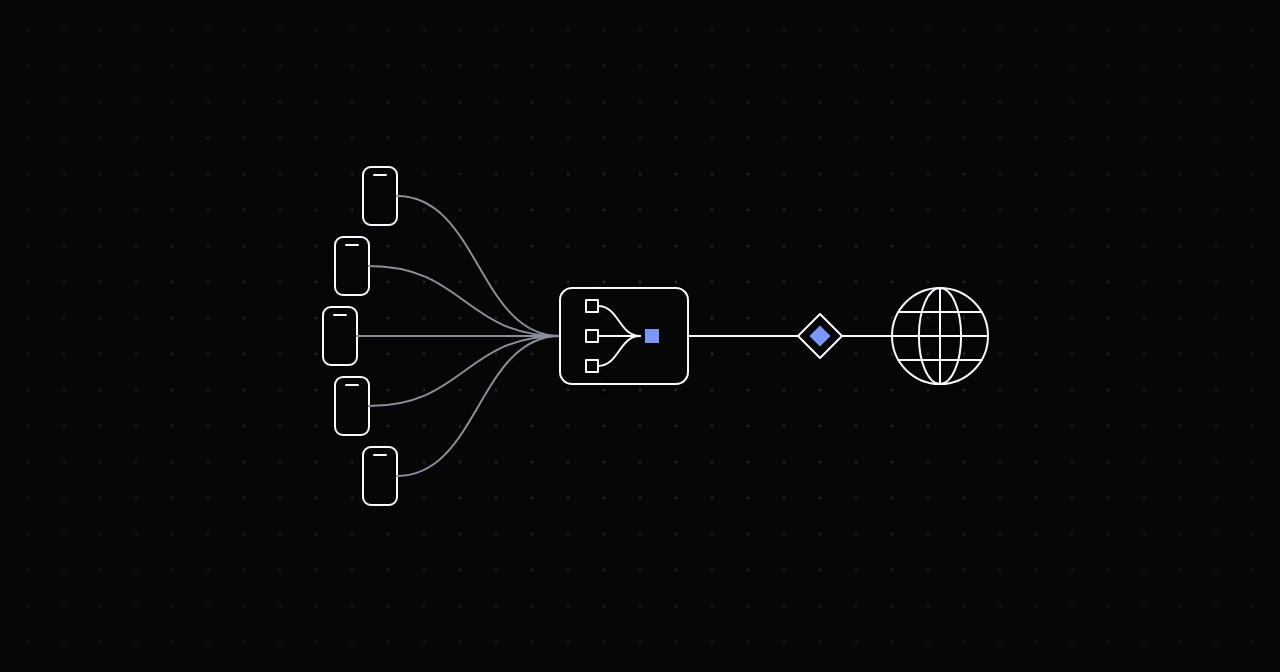
Mobile proxies send your traffic out through 4G and 5G carrier networks, where one public IP is shared by many phones. How carrier-grade NAT works, why sites hesitate to block carrier IPs, sticky sessions up to 120 minutes, mobile prices across seven providers, and when residential is enough.
Datacenter vs residential proxies: how sites tell them apart, speed, price and which to choose
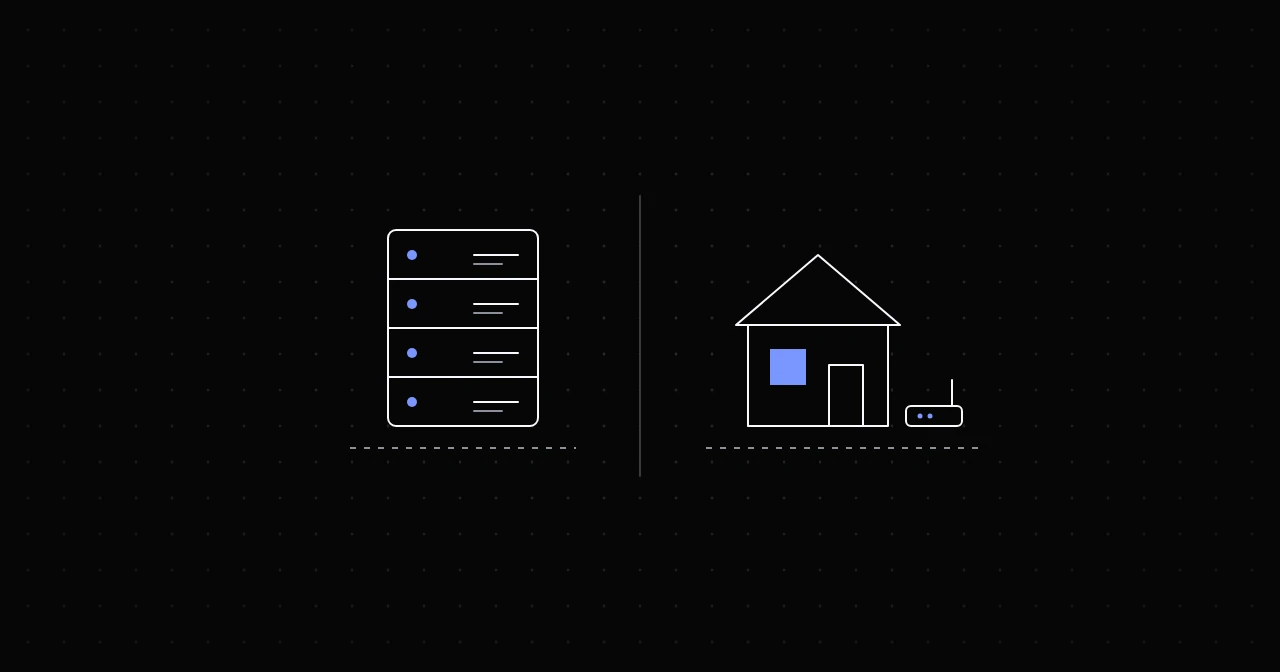
Datacenter IPs belong to hosting companies, residential IPs to home internet connections, and websites can tell them apart with one lookup. How the two compare on speed, sessions, targeting and price, a quick test for your own target, and a fallback pattern that uses both.

Free vs paid proxies: what free proxy lists really cost you
Most proxies on free lists are dead, and the working ones are run by strangers who can log or alter your traffic. What a study of 107,000 open proxies found, what any proxy sees even over HTTPS, why free IPs fail on real sites, and what paying actually buys.
Proxy error codes explained: 407, 403, 429, 502, 503, 504 and how to fix each
Proxy errors come from two places: the proxy and the website behind it. How to tell which one answered in ten seconds, what every status code and SOCKS5 reply means, and the fix for each, with the exact messages curl, Python and Chrome print.
How to use a proxy with Python Requests: HTTP, SOCKS5, sessions and retries
Everything Python Requests does with proxies, tested: why the proxies dict needs both keys, passwords with special characters, SOCKS5 and socks5h, the environment variable trap with Session, rotating and sticky IPs, retries, timeouts and threads.
Playwright proxy setup: authentication, per-context proxies and SOCKS5 (Python and Node.js)
How to set a proxy in Playwright at launch or per browser context, with username and password, in Python and Node.js. Plus one IP per context, the SOCKS5 limitation in Chromium, saving bandwidth, and the exact errors you get when something is off.
Puppeteer proxy with authentication: --proxy-server, page.authenticate and per-context proxies
Set up an authenticated proxy in Puppeteer the way Chrome accepts it: --proxy-server for the address, page.authenticate for the credentials, a different proxy per browser context, a SOCKS5 workaround, and the net:: errors behind each mistake.
Scrapy proxy setup: meta['proxy'], a proxy middleware and sticky sessions
How proxies work in Scrapy 2.x: the proxy meta key, environment variables, a small downloader middleware for credentials, targeting and sticky sessions tied to cookie jars, the retry settings worth changing, and why SOCKS URLs silently time out.
curl with a proxy: -x, -U, SOCKS5, socks5h, environment variables and debugging
Every curl option that matters for proxies, tested on curl 8.19: the -x syntax and its default port, credentials with special characters, SOCKS5 and socks5h, headers, environment variables, .curlrc, bypassing the proxy, and what each exit code means.
SOCKS5 vs HTTP proxy: how they differ and which one to use
HTTP proxies understand web traffic; SOCKS5 relays any TCP connection. What that means for HTTPS, DNS leaks, speed, authentication and tool support, and a simple rule for picking the right port.
Proxy vs VPN: the real differences and when to use each
A VPN encrypts everything your device sends and gives it one shared IP. A proxy routes one app through IPs you choose, by type, country, city and session. How they differ on encryption, IP types, speed and price, and which one fits which job.

IPv6 proxies: what they are, which sites support them, and when to use them
IPv6 proxies cost a fraction of IPv4 because the address space is practically unlimited, but they only reach sites that publish an IPv6 address. How to check a target in ten seconds, which big sites support IPv6 today, and where IPv6 proxies pay off.
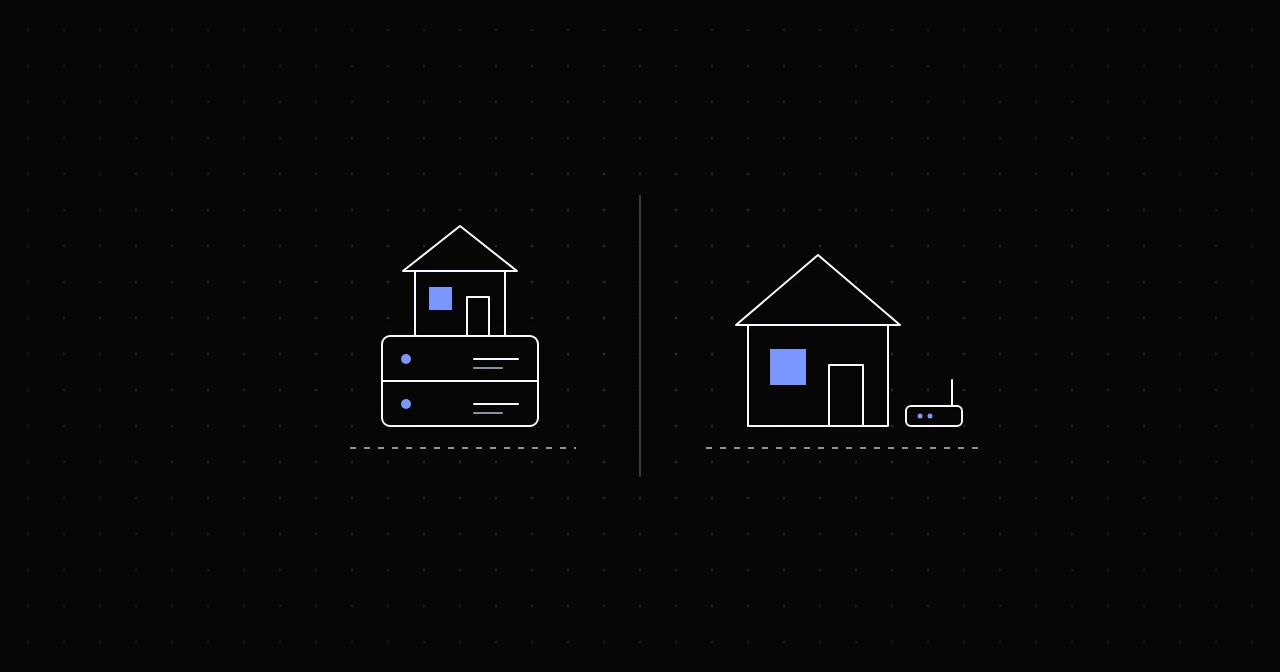
ISP vs residential proxies: differences, speed, price and when to pick each
ISP proxies are static, ISP-registered IPs on datacenter hardware; residential proxies are real home connections that rotate. How they compare on trust, speed, stability, pool size, targeting and price, and a quick rule for choosing.

How to use NyxonProxies in curl, Python and Node.js (copy-paste examples)
Working code for the four clients people actually use: curl, Python requests and httpx, Node fetch and axios, with rotation, sticky sessions, SOCKS5 and the two mistakes that break each one.

Sticky vs rotating proxies: how sessions work and how to set them at NyxonProxies
Rotating gives you a new IP per request; sticky keeps one for as long as you need it. Both come from the same credentials at NyxonProxies. Here is when to use each, the exact username syntax, and the traps.
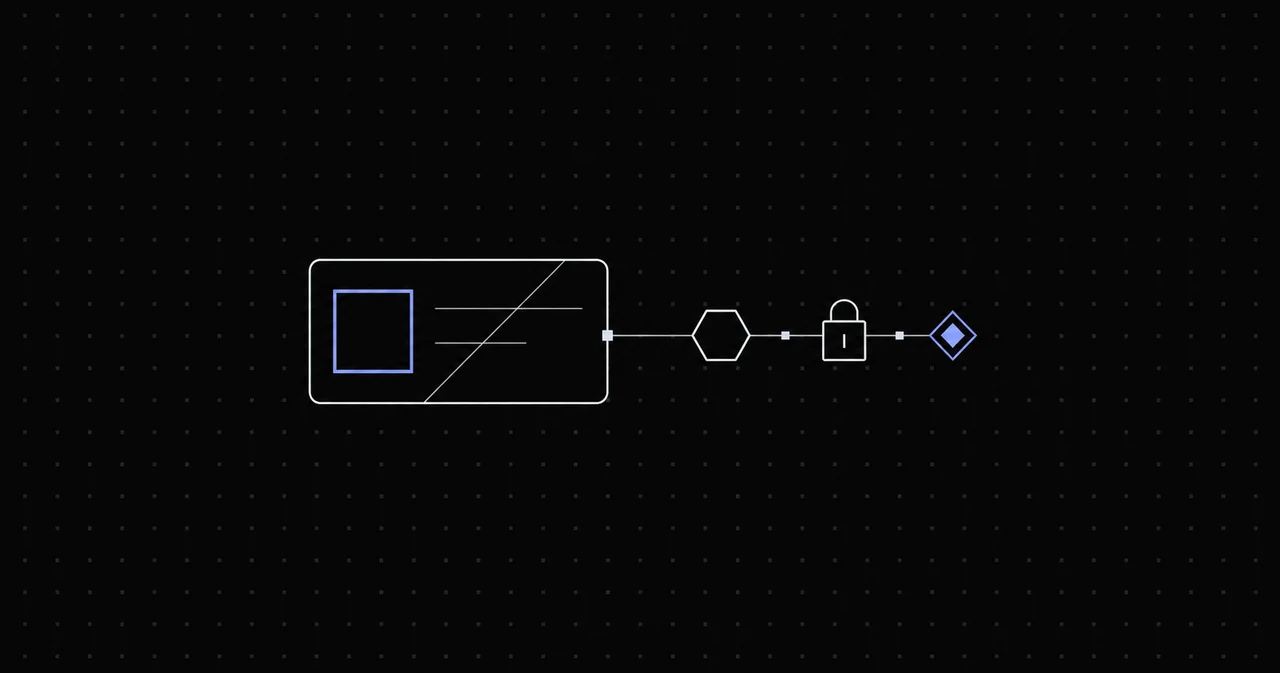
No-KYC proxies: what it means, what it doesn't, and why NyxonProxies works this way
No identity documents, no card, crypto only. People read that two ways: freedom or red flag. Here is what no-KYC actually changes for you, what it does not change, and the rules that still apply.

NyxonProxies vs Bright Data, Oxylabs and Decodo: proxy pricing compared (2026)
Same residential, mobile and datacenter pools, very different bills. A line-by-line comparison of entry prices, minimums and credit rules, plus an honest list of what the enterprise providers offer that we do not.

10 proxy mistakes that get accounts banned (and the fix for each)
Clean IPs get blocked every day because of what happens around them. The ten mistakes we see most in support chats, from default user agents to rotating under a login, each with the one-line fix.

OS spoofing for proxies: what your TCP/IP fingerprint gives away and how to set it
Your browser says Windows. Your proxy's TCP stack says Linux. Detection systems notice. Here is what passive OS fingerprinting reads, why proxy traffic has always looked like Linux, and how to fix it on ISP, datacenter and IPv6 pools.

How to test a proxy in 60 seconds (curl, Python, and the built-in tester)
Before you point a scraper at a proxy, prove it works: is the exit where you asked, how fast is it, does the session stick, does the target accept it. Four checks, copy-paste commands, no tooling to install.
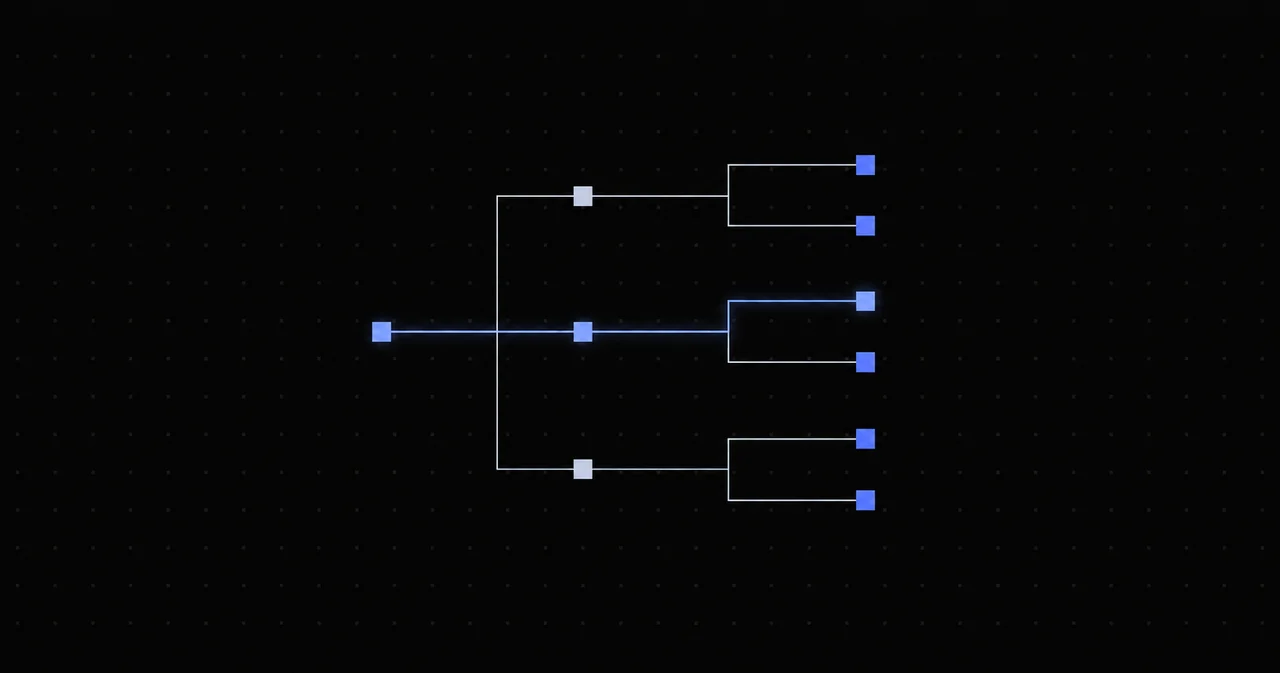
Which proxy do you actually need? A decision guide by use case
Stop choosing proxies by price or by what a forum said. Match the pool to the target: here is the pick for scraping, price monitoring, sneakers, social accounts, ad verification, SEO and app testing, with the reasoning.
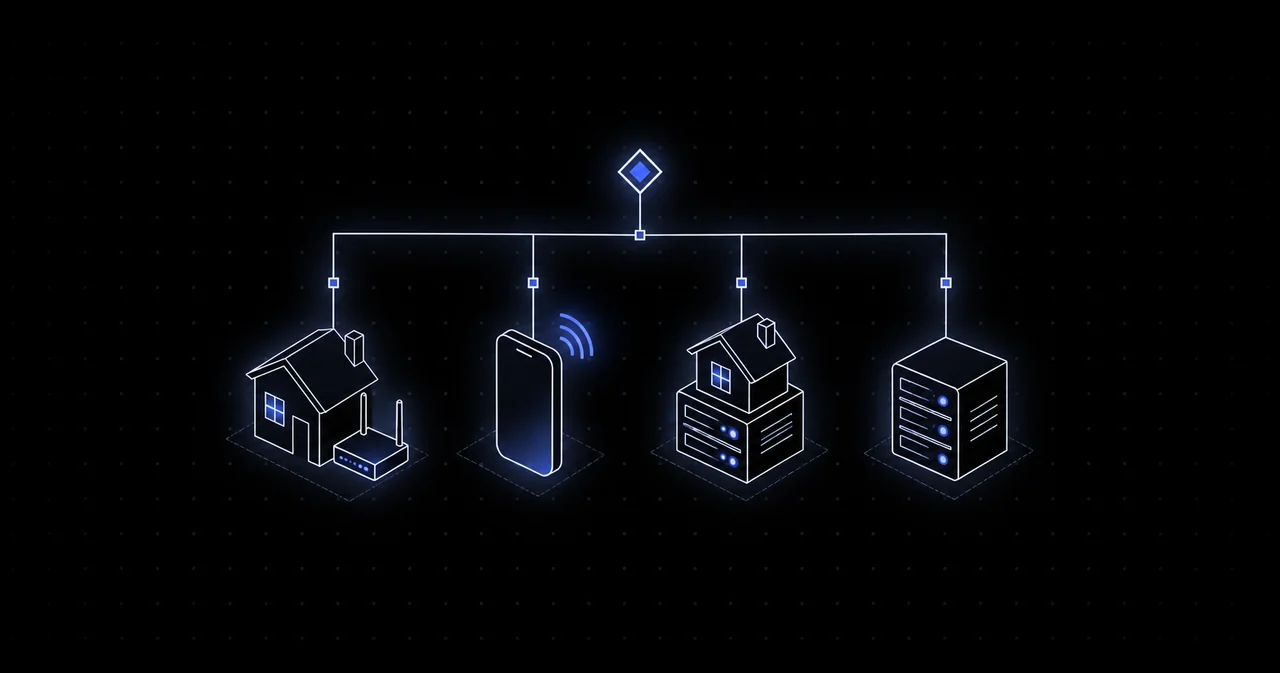
Residential, mobile, ISP, datacenter: the four proxy types explained (with 2026 prices)
The four proxy types differ in where the IP comes from, how sites treat it, how long it stays yours and what it costs. Here is the honest comparison, with the trade-offs nobody puts on a pricing page.

What is a proxy? How proxies work, in plain English
A proxy is a server that makes requests on your behalf. Here is what that actually means, why websites care which IP you arrive from, and where the IPs come from.